
Environmental Impact Assessment (EIA)
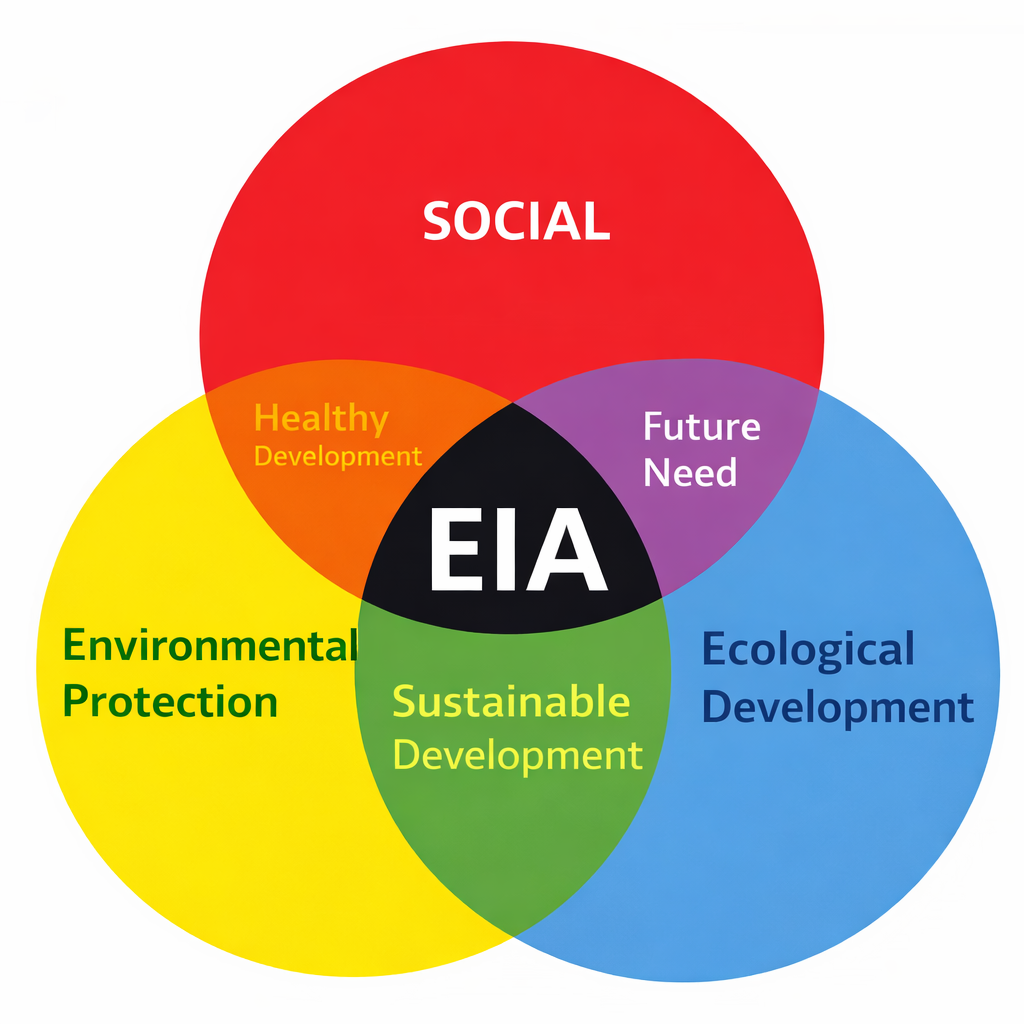
Environmental Impact Assessment (EIA) Consulting Firm in Bangladesh
Looking for a reliable Environmental Impact Assessment (EIA) consulting firm in Bangladesh? National Green Environment is a trusted and experienced EIA consultancy based in Dhaka, ready to support all your environmental assessment needs.
We provide professional consultancy services across the country, including Dhaka, Chittagong, Gazipur, Sylhet, Rangpur, Barisal, Khulna, and other regions.
Feel free to contact us for high-quality and dependable environmental consulting services.
Do You Need Professional Environmental Consulting Services?
Environmental Impact Assessment (EIA) Service
Environmental Impact Assessment (EIA) helps you understand how your project may affect the environment before it starts. It ensures your project follows legal rules and reduces environmental risks.
We provide complete EIA support to help you get approval and run your project safely.
Our EIA Process
– Project Screening
We check if your project requires an EIA based on regulations.
– Alternative Analysis
We review different options such as location, design, and process to find the best solution.
– Initial Assessment
We conduct a basic study to identify possible environmental impacts.
– Scoping
We identify the key environmental issues that need detailed analysis.
– Detailed EIA Study
We analyze the project in depth to understand possible impacts and their level.
– Review and Approval Support
We ensure the report meets all requirements for approval.
– Monitoring Plan
We create a plan to monitor environmental conditions during and after the project.
What Your EIA Report Will Include
- Project background and overview
- Purpose and objectives of the study
- Relevant laws and regulations (DoE, ECR, etc.)
- Detailed project description
- Production process and utilities
- Raw materials and resource use
- Effluent Treatment Plant (ETP) details
- Environmental and social condition analysis
- Identification of possible impacts
- Impact evaluation and mitigation measures
- Environmental Management Plan (EMP)
- Health and safety (EHS) guidelines
- Monitoring and reporting plan
- Disaster and emergency response plan
- Final recommendations
Who Requires EIA
EIA is required by:
- Department of Environment (DoE) for environmental clearance
- Bangladesh Bank for project financing approval
- International standards (IFC, World Bank, GSCP)
- Compliance systems like HIGG Index
- Certifications such as LEED, BSCI, WRAP, Sedex, ICS
- Buyers and retailers (e.g., audit requirements)
Why Choose Us
- Simple and clear documentation
- Full compliance with Bangladesh regulations
- Fast and reliable service
- Support from start to approval
Get Started
Let us help you complete your Environmental Impact Assessment (EIA) smoothly and professionally.