
Zero Liquid Discharge (ZLD)
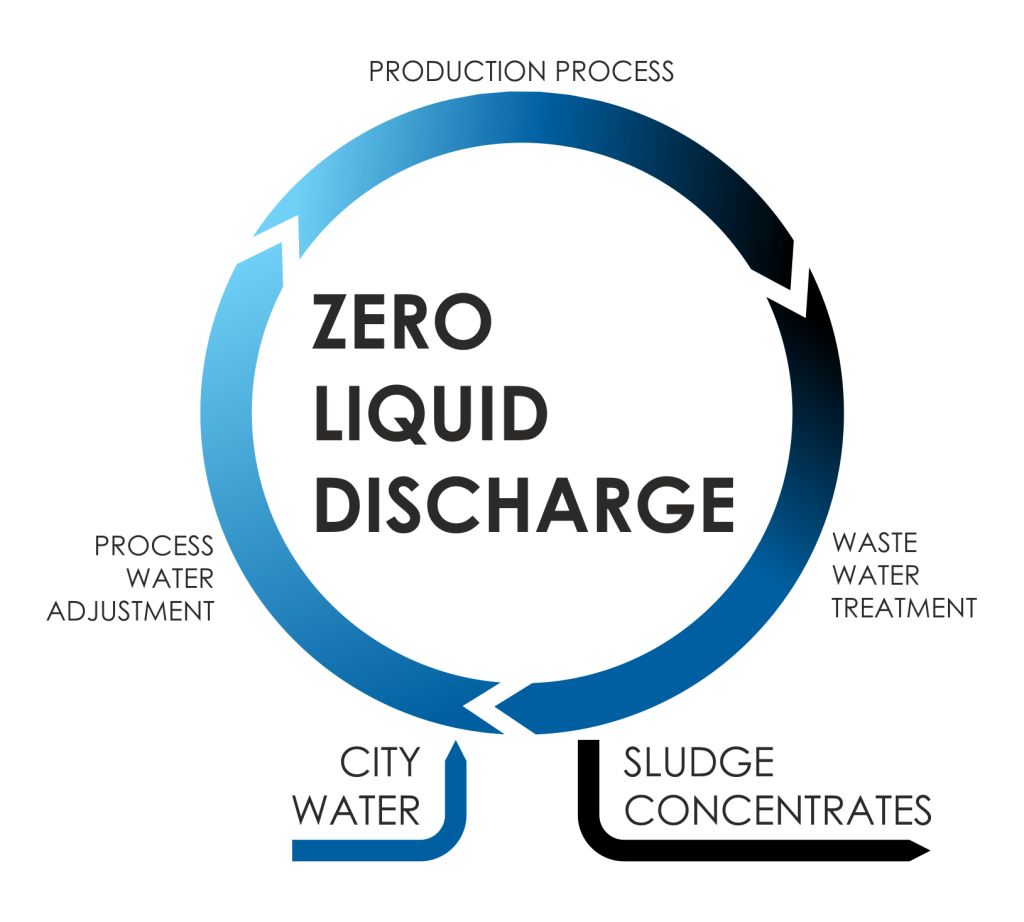
Consulting Firm Specializing Zero Liquid Discharge (ZLD) in Bangladesh.
Are you looking for an Zero Liquid Discharge (ZLD) consulting firm in Bangladesh? National Green Environment is one of the leading EIA consultancy firms based in Dhaka. You’ve come to the right place! We’re here to assist you with all your environmental assessment needs.
For top-notch consultancy services across Bangladesh—especially in Dhaka, Chittagong, Gazipur, Sylhet, Rangpur, Barisal, Khulna, and beyond—please reach out to us.
Do You Need Zero Liquid Discharge (ZLD)?
Here are the main steps involved in an Zero Liquid Discharge (ZLD):
Assessment and Planning:
- Feasibility Study: Evaluate the feasibility of ZLD for the specific industrial process or facility. This includes assessing wastewater volume, composition, and treatment requirements.
- Regulatory Requirements: Review local regulations and standards related to wastewater discharge and ZLD to ensure compliance.
Wastewater Characterization:
- Sampling and Analysis: Collect samples of wastewater and analyze their chemical and physical properties, including pollutants and contaminants.
- Flow Measurement: Measure the volume of wastewater generated to design appropriate treatment systems.
System Design:
- Treatment Process Selection: Choose suitable treatment technologies based on the characteristics of the wastewater. Common technologies include:
- Pre-treatment: Removal of large particles and initial contaminants (e.g., screening, sedimentation).
- Primary Treatment: Basic treatment to remove suspended solids and organic matter (e.g., flotation, coagulation).
- Secondary Treatment: Advanced treatment for biological degradation of organic pollutants (e.g., activated sludge, biofilm reactors).
- Tertiary Treatment: Further purification to remove remaining contaminants (e.g., filtration, reverse osmosis, advanced oxidation).
- Concentration and Recovery: Implement methods to concentrate and recover valuable by-products or resources from the wastewater (e.g., evaporation, crystallization).
- Treatment Process Selection: Choose suitable treatment technologies based on the characteristics of the wastewater. Common technologies include:
Implementation of Treatment Systems:
- Installation: Set up the selected treatment technologies and systems. This may involve constructing infrastructure for various stages of treatment.
- Integration: Integrate the treatment systems into existing operations, ensuring they work efficiently with current processes.
Operational Management:
- Process Control: Monitor and control the treatment processes to ensure they operate within optimal parameters. This includes managing flow rates, chemical dosing, and system performance.
- Maintenance: Perform regular maintenance on the equipment to prevent breakdowns and ensure continued efficiency.
Quality Assurance:
- Performance Monitoring: Continuously monitor the quality of treated water to ensure it meets the desired standards for reuse or discharge.
- Testing and Validation: Conduct regular testing of treated water to verify that it complies with regulatory standards and operational goals.
Resource Recovery and Reuse:
- Resource Utilization: Identify opportunities to recover and reuse resources from the treated wastewater (e.g., recovered salts, nutrients, or water).
- Utilization Planning: Develop plans for the reuse of treated water within the facility or for other applications, such as irrigation or industrial processes.
Reporting and Documentation:
- Compliance Reporting: Prepare and submit reports on system performance, wastewater treatment, and compliance with regulatory requirements.
- Documentation: Maintain comprehensive documentation of the ZLD system, including operational procedures, maintenance records, and monitoring results.
Review and Optimization:
- Performance Review: Regularly review system performance to identify areas for improvement or optimization.
- System Upgrades: Implement upgrades or modifications to enhance efficiency, reduce costs, or adapt to changes in wastewater characteristics.
Stakeholder Engagement:
- Communication: Engage with stakeholders, including regulatory bodies, employees, and the community, to address concerns and provide updates on ZLD operations and benefits.
An Zero Liquid Discharge (ZLD) typically includes the following components:
Assessment and Planning:
- Feasibility Study: Evaluate the feasibility of ZLD for the specific industrial process or facility. This includes assessing wastewater volume, composition, and treatment requirements.
- Regulatory Requirements: Review local regulations and standards related to wastewater discharge and ZLD to ensure compliance.
Wastewater Characterization:
- Sampling and Analysis: Collect samples of wastewater and analyze their chemical and physical properties, including pollutants and contaminants.
- Flow Measurement: Measure the volume of wastewater generated to design appropriate treatment systems.
System Design:
- Treatment Process Selection: Choose suitable treatment technologies based on the characteristics of the wastewater. Common technologies include:
- Pre-treatment: Removal of large particles and initial contaminants (e.g., screening, sedimentation).
- Primary Treatment: Basic treatment to remove suspended solids and organic matter (e.g., flotation, coagulation).
- Secondary Treatment: Advanced treatment for biological degradation of organic pollutants (e.g., activated sludge, biofilm reactors).
- Tertiary Treatment: Further purification to remove remaining contaminants (e.g., filtration, reverse osmosis, advanced oxidation).
- Concentration and Recovery: Implement methods to concentrate and recover valuable by-products or resources from the wastewater (e.g., evaporation, crystallization).
- Treatment Process Selection: Choose suitable treatment technologies based on the characteristics of the wastewater. Common technologies include:
Implementation of Treatment Systems:
- Installation: Set up the selected treatment technologies and systems. This may involve constructing infrastructure for various stages of treatment.
- Integration: Integrate the treatment systems into existing operations, ensuring they work efficiently with current processes.
Operational Management:
- Process Control: Monitor and control the treatment processes to ensure they operate within optimal parameters. This includes managing flow rates, chemical dosing, and system performance.
- Maintenance: Perform regular maintenance on the equipment to prevent breakdowns and ensure continued efficiency.
Quality Assurance:
- Performance Monitoring: Continuously monitor the quality of treated water to ensure it meets the desired standards for reuse or discharge.
- Testing and Validation: Conduct regular testing of treated water to verify that it complies with regulatory standards and operational goals.
Resource Recovery and Reuse:
- Resource Utilization: Identify opportunities to recover and reuse resources from the treated wastewater (e.g., recovered salts, nutrients, or water).
- Utilization Planning: Develop plans for the reuse of treated water within the facility or for other applications, such as irrigation or industrial processes.
Reporting and Documentation:
- Compliance Reporting: Prepare and submit reports on system performance, wastewater treatment, and compliance with regulatory requirements.
- Documentation: Maintain comprehensive documentation of the ZLD system, including operational procedures, maintenance records, and monitoring results.
Review and Optimization:
- Performance Review: Regularly review system performance to identify areas for improvement or optimization.
- System Upgrades: Implement upgrades or modifications to enhance efficiency, reduce costs, or adapt to changes in wastewater characteristics.
Stakeholder Engagement:
- Communication: Engage with stakeholders, including regulatory bodies, employees, and the community, to address concerns and provide updates on ZLD operations and benefits.
Zero Liquid Discharge (ZLD) is required by:
Pre-Treatment Systems:
- Screening: Removes large debris and solids from the wastewater.
- Coagulation and Flocculation: Adds chemicals to the wastewater to help particles clump together and settle out.
- Sedimentation: Allows suspended solids to settle at the bottom of a tank, separating them from the liquid.
Primary Treatment:
- Floatation: Removes suspended solids and fats, oils, and greases (FOG) from the wastewater.
- Filtration: Uses various filters (e.g., sand, multimedia) to further remove particulate matter.
Secondary Treatment:
- Biological Treatment: Uses microorganisms to break down organic pollutants in the wastewater. Common methods include:
- Activated Sludge Process: Aerobic bacteria digest organic contaminants in aeration tanks.
- Biofilm Reactors: Microorganisms grow on media to treat wastewater, such as moving bed biofilm reactors (MBBR) or trickling filters.
- Biological Treatment: Uses microorganisms to break down organic pollutants in the wastewater. Common methods include:
Tertiary Treatment:
- Advanced Filtration: Employs technologies like membrane filtration (e.g., microfiltration, ultrafiltration) to remove fine particulates and remaining contaminants.
- Reverse Osmosis (RO): Uses a semi-permeable membrane to remove dissolved solids and contaminants, producing high-quality water.
- Advanced Oxidation Processes (AOPs): Involves chemical reactions (e.g., ozone, hydrogen peroxide) to degrade remaining pollutants.
Concentration and Resource Recovery:
- Evaporation: Uses heat to evaporate water from the wastewater, leaving behind concentrated solids or salts.
- Crystallization: Further processes the concentrated brine to recover valuable by-products or to form solid residues that can be disposed of or used in other applications.
Concentrate Management:
- Solid Waste Handling: Manages and disposes of the solid residues or concentrates generated by the ZLD system. This may include dewatering, drying, and final disposal or utilization.
- Zero Discharge: Ensures that all residuals are managed in a manner that aligns with the ZLD goal, with no liquid waste being released into the environment.
Water Reuse and Recycling:
- Recycled Water Storage: Stores treated water for reuse within the facility or for other applications.
- Recycled Water Utilization: Integrates recycled water into the facility’s processes, such as cooling, irrigation, or other industrial uses.
Monitoring and Control Systems:
- Instrumentation and Sensors: Measures parameters like flow rate, concentration, and quality of wastewater at various stages.
- Control Systems: Automated systems that regulate operations, chemical dosing, and process adjustments to maintain optimal performance.
Maintenance and Operation:
- Routine Maintenance: Regular checks and maintenance of equipment and systems to ensure smooth operation.
- Operational Training: Training for personnel on the operation, troubleshooting, and maintenance of the ZLD system.
Compliance and Reporting:
- Regulatory Compliance: Ensures that the system adheres to local and national regulations regarding wastewater management and discharge.
- Reporting: Documentation and reporting of system performance, compliance, and any issues or incidents.