
Wastewater Treatment Plants(WWTP)
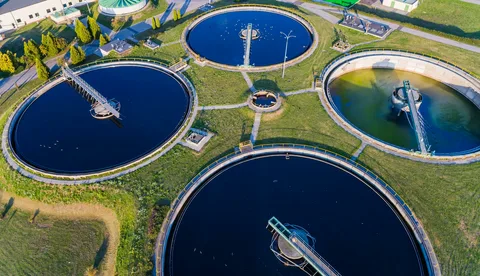
About Wastewater Treatment Plants(WWTP)
Wastewater Treatment Plants (WWTP) process used water from households and industries to remove contaminants. They employ physical, chemical, and biological methods to clean wastewater, ensuring safe discharge into the environment or reuse, thereby protecting public health and ecosystems.
For top-notch consultancy services across Bangladesh—especially in Dhaka, Chittagong, Gazipur, Sylhet, Rangpur, Barisal, Khulna, and beyond—please reach out to us.
Do You Need Wastewater Treatment Plants(WWTP)?
Here are the main steps involved in an Wastewater Treatment Plants(WWTP) :
- Influent Screening: Removal of large debris and objects from incoming wastewater.
- Primary Sedimentation: Settling of larger solids and greases in primary clarifiers.
- Biological Treatment: Aeration tanks where microorganisms break down organic matter.
- Secondary Sedimentation: Separation of biological sludge from treated water in secondary clarifiers.
- Filtration: Removal of remaining suspended solids through various filtration methods.
- Disinfection: Treatment with chlorine, UV light, or other methods to eliminate pathogens.
- Sludge Treatment: Stabilization and dewatering of residual sludge through digestion and mechanical processes.
- Effluent Disposal: Safe discharge or reuse of treated water, meeting regulatory standards.
An Wastewater Treatment Plants(WWTP) typically includes the following components:
- Influent Pumping Station: To lift and transport wastewater into the treatment system.
- Screening: To remove large debris and solids from incoming wastewater.
- Primary Settling Tanks: For the initial separation of solids and floatables from the wastewater.
- Aeration Tanks: Where microorganisms break down organic pollutants through aeration.
- Secondary Settling Tanks: To settle out the biological sludge after aeration.
- Filtration Units: To remove remaining suspended solids.
- Disinfection Units: Using methods like chlorine or UV light to kill pathogens.
- Sludge Handling Facilities: For thickening, digesting, dewatering, and processing of residual sludge.
- Effluent Outfall: For the discharge of treated water to the environment or for reuse
Wastewater Treatment Plants(WWTP) is required by:
- Environmental Regulations: To comply with laws for wastewater quality and prevent pollution of water bodies.
- Public Health: To protect communities from waterborne diseases and contaminants.
- Urban Development: To manage and treat increasing volumes of wastewater from growing populations.
- Sustainable Practices: To support resource recycling and reduce the environmental impact of wastewater.