
Water Treatment Plant (WTP)
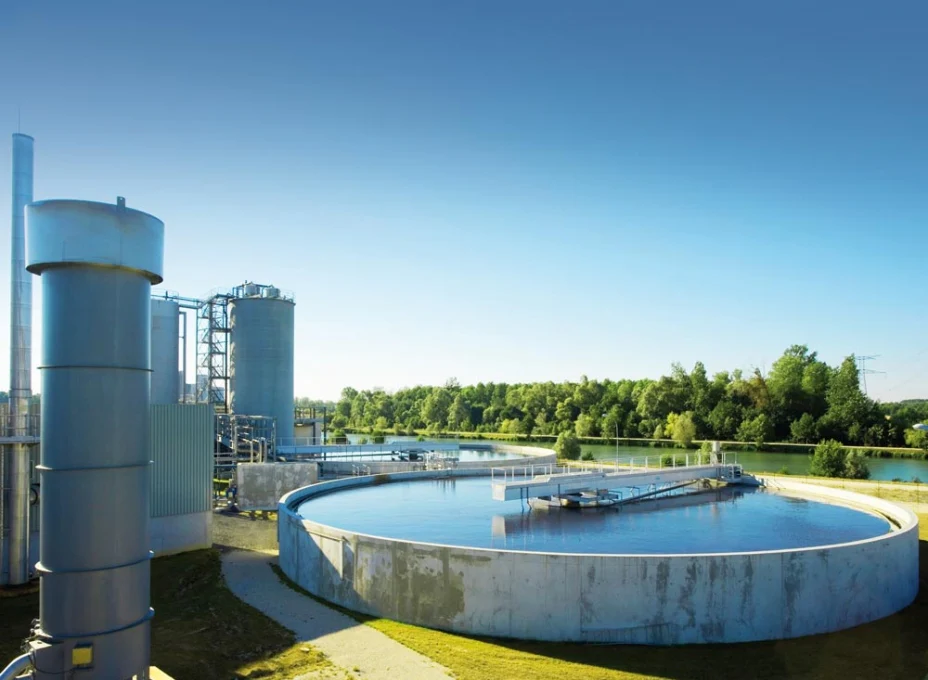
About Water Treatment Plant (WTP)
A Water Treatment Plant (WTP) purifies raw water through processes like coagulation, filtration, and disinfection, ensuring safe, clean drinking water for communities and meeting regulatory health standards.
For top-notch consultancy services across Bangladesh—especially in Dhaka, Chittagong, Gazipur, Sylhet, Rangpur, Barisal, Khulna, and beyond—please reach out to us.
Do You Need Water Treatment Plant (WTP)?
Here are the main steps involved in an Water Treatment Plant (WTP):
- Intake: Raw water is collected from a source.
- Coagulation and Flocculation: Chemicals are added to bind particles into clumps (flocs).
- Sedimentation: Flocs settle out of the water in sedimentation tanks.
- Filtration: Water passes through filters to remove remaining particles.
- Disinfection: Water is treated with chemicals or UV light to kill pathogens.
- Storage: Treated water is stored in reservoirs or tanks before distribution.
- Distribution: Clean water is delivered to consumers through pipelines.
An Water Treatment Plant (WTP) typically includes the following components:
- Intake Structure: For drawing raw water from sources like rivers or lakes.
- Coagulation and Flocculation Tanks: Where chemicals are mixed to form flocs.
- Sedimentation Basins: Tanks where flocs settle out of the water.
- Filtration Units: Systems using sand, gravel, or membranes to remove remaining particles.
- Disinfection Chambers: Using chlorine, UV light, or ozone to eliminate pathogens.
- Storage Tanks: For holding treated water before distribution.
- Pump Stations: To move water through the treatment process and distribution system.
- Control and Monitoring Systems: To manage operations and ensure water quality.
Water Treatment Plant (WTP) is required by:
- Public Health Regulations: To provide safe drinking water by removing contaminants and pathogens.
- Environmental Protection Laws: To ensure water quality standards are met and prevent pollution of water sources.
- Urban Development: To support growing populations with reliable, clean water supplies.
- Sustainable Resource Management: To manage and conserve water resources effectively and ensure long-term availability.